Why Music Education Builds Better Citizens: What 596 Clubs Taught Us
After a decade running 596 clubs in every public high school in Tunisia, here is what Tunisia88 has learned about what music actually does for young people.
Tunisia88 was built on two convictions: that music cultivates respect for differences, and that music can be a window on the world. A decade and 596 clubs later, we can say what those convictions look like when they are tested against reality in hundreds of Tunisian public high schools.
Listening is a leadership skill
The most consistent observation from Tunisia88 trainers and supervisors across a decade is this: the students who go through the program get better at listening. Not as a vague personal quality, but as a practical skill. They listen in meetings. They listen when someone disagrees with them. They check whether they understood before they respond.
This is not incidental to the musical training. It is the direct product of it. Ensemble music requires listening at every moment. A chorister who is not listening to the rest of the section cannot stay in tune. A club leader who runs a rehearsal without listening to the room loses the room. The skills are the same skill.
Performing for your community changes your relationship to it
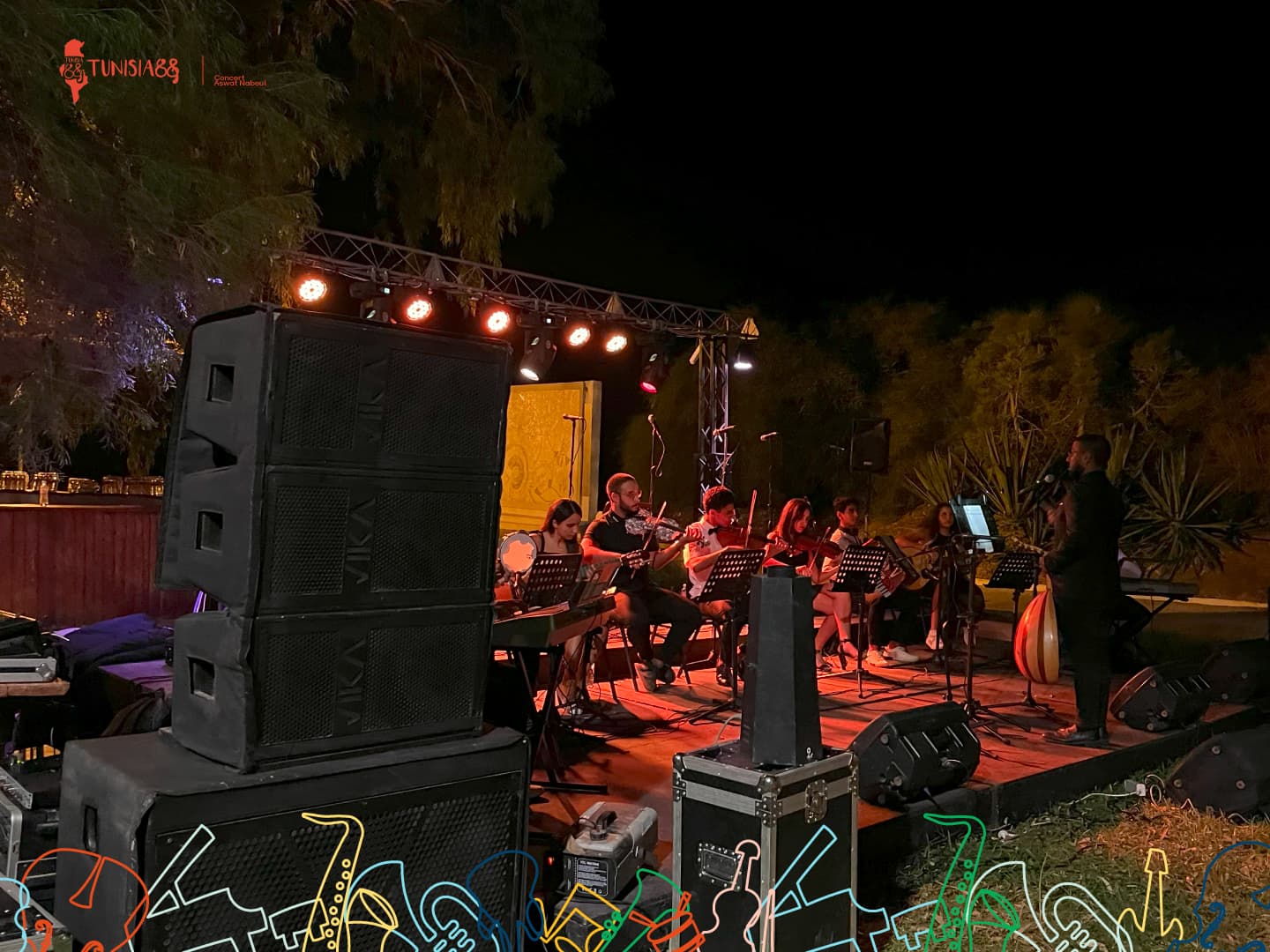
Tunisia88 clubs are required to stage music events where they live, not only inside school. This is built into the program deliberately. A student who performs in their neighborhood, for their neighbors, develops a different sense of responsibility to that place than a student who only performs for an examiner or a school audience.
The Event Contest recognizes this. It gives clubs a national stage to show not just what they performed, but how they thought about the community they were serving. The best entries show clubs treating their neighborhood as a venue, a constituency and an audience worth impressing.
Respect for differences, practiced in public
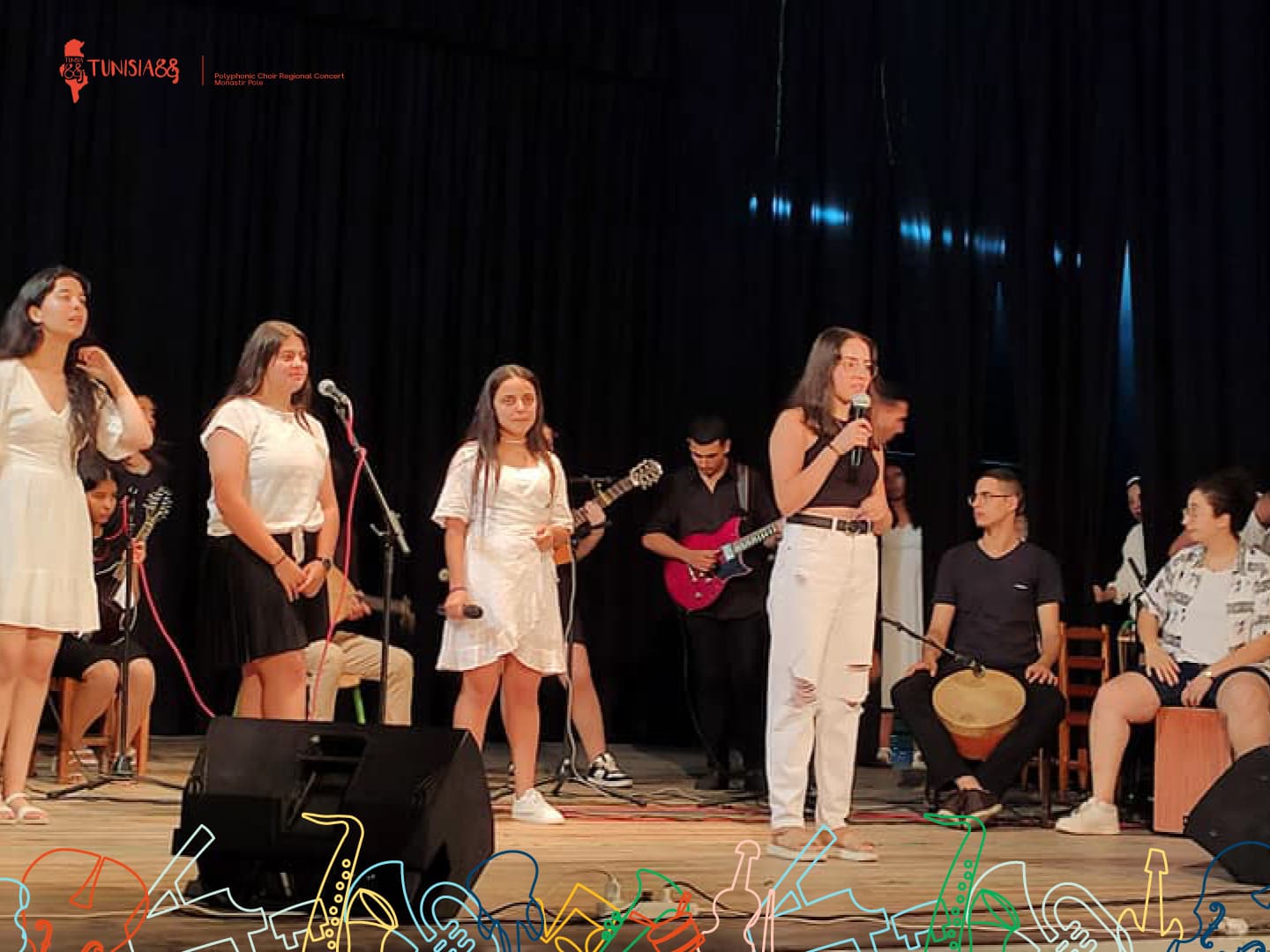
Tunisia88's Polyphonic Choir program and Arab Choir program sit alongside each other. Both have equal standing. Both draw from the same club network. Both perform for the same audiences. Choristers who participate in both, or who listen to both, encounter two musical traditions with different roots, different systems, different sounds, and find something to value in each.
This is what 'respect for differences' means in practice inside the program. It is not a poster on a wall. It is a student who can perform in a Western harmonic system and explain the maqam system to a classmate who hasn't heard it before.
The window on the world
Tunisia88 has produced collaborative performances with ensembles from Europe and beyond. The program's Song Contest has had international judges. Press coverage in French, German and English has reached audiences the clubs themselves will never see.
For a student in a public high school in a small Tunisian city, seeing their work covered in a German newspaper or judged by an international musician is a specific experience. It says: your work is serious enough to be taken seriously by people who don't have to be kind to you. That is a meaningful thing for a 17-year-old to learn.