From Club Member to Alumni Trainer: The Tunisia88 Career Path
Tunisia88 alumni run the whole program through 12 specialized squads. Here is how former members go from students to the people who keep 596 clubs running.
Tunisia88 is described as a program for youth and by youth. The second half of that phrase is the more unusual one. The entire program, from field coordination to training delivery to international outreach, is run by people who were once club members themselves.
How alumni take over
When a student finishes their time as a club leader, they have a choice. Leave the program and move on, or apply to join an alumni squad. Those who join become the people who run the program for the next generation.
The 12 alumni squads are organized into four families: Field Network, Operations, Outreach, and Music and Training. Each squad has a defined function. Together they cover everything the program needs to run: training delivery, field supervision, reporting, contests, choirs, communications, fundraising.
The four squad families
Field Network
These are the squads that work directly with clubs. Field coordinators visit schools, support club leaders, troubleshoot problems and report back on the health of the network. Alumni supervisors in the Field Network are the reason a club in a remote governorate gets the same quality of support as one in Tunis.
Operations
Operations squads handle logistics, administration, finance and the systems that keep the program running. Without them, trainings have no venues, contests have no infrastructure and reports don't reach partners.
Outreach
Outreach squads manage Tunisia88's public presence: press relations, social media, partnerships, communications with schools and families. They are the reason journalists in Tunisia, Germany and France have covered the program.
Music and Training
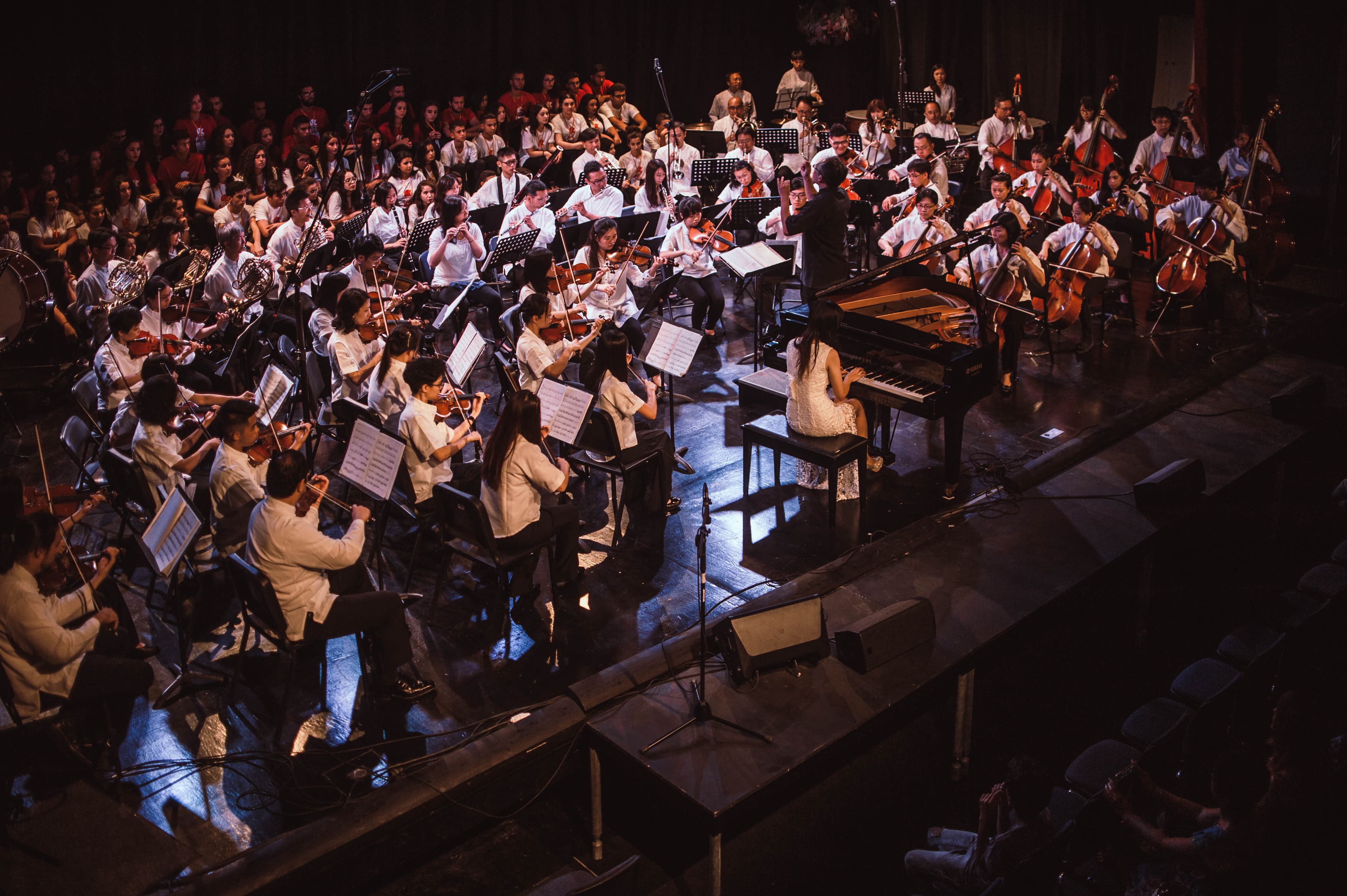
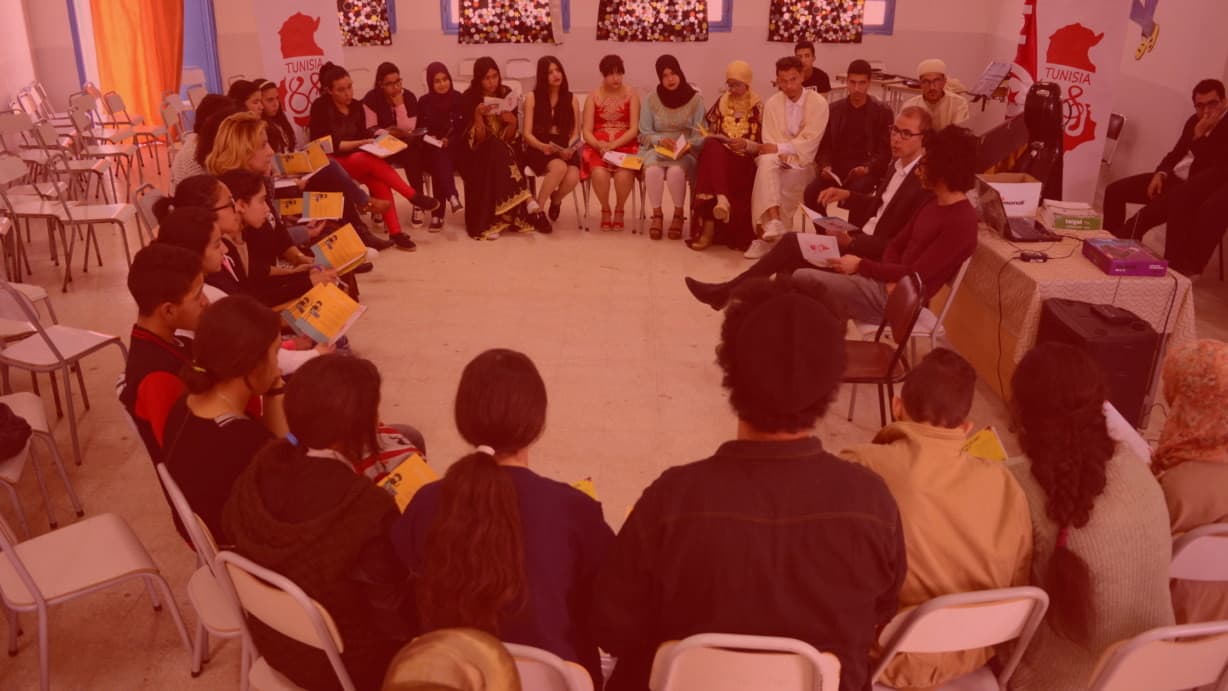
This family covers the choir program and the training curriculum. Alumni who complete the Training of Trainers deliver LT1, CT and LT2 to each year's club leaders. Choir coordinators manage auditions, rehearsals and performances across the 11 regional choirs.
Two summits a year
The full alumni network comes together twice a year at the Alumni Summit. The first summit, in August, is a celebration and a strategic session: squad leadership is elected, the new mandate's goals are set. The second summit, in January or February, marks the midpoint of the year and coincides with the Song Contest ceremony.
What it looks like in practice
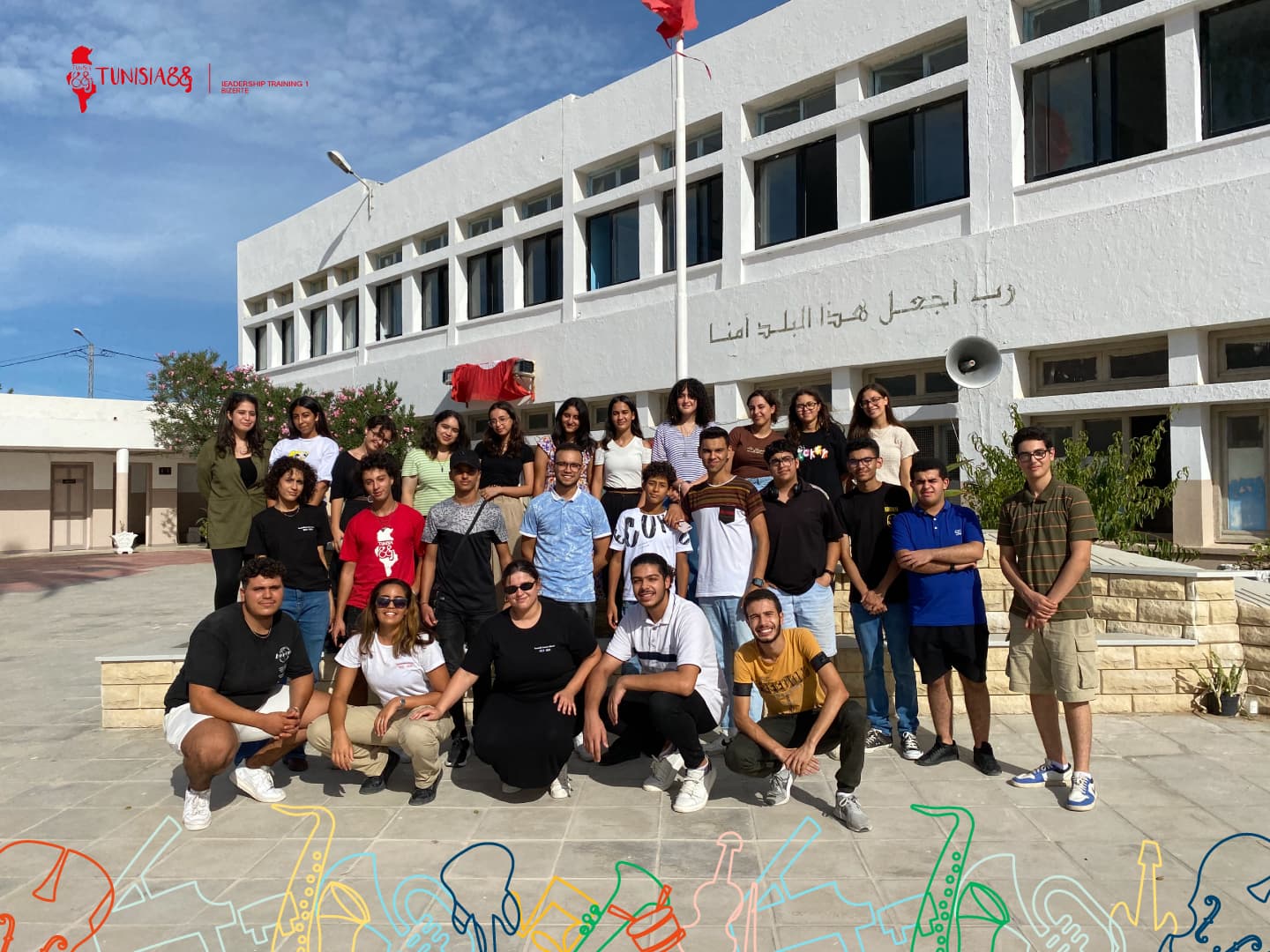
Alumni supervisors are assigned across all 26 Tunisian administrative regions. A supervisor might be responsible for 20 or 30 clubs in their region, making regular contact with the club leaders, flagging issues to the Field Network coordination team, and attending the trainings as an observer and mentor.
For many alumni, the post-club years are where they develop most of the professional skills they carry into their careers: project management, public speaking, facilitation, team leadership, cross-regional coordination. The program built the same things in them as members that they now build in the club leaders they support.